
Last month, the number of UK players who spent more than 30 minutes per day on mobile games jumped from 18% to 24%, according to a survey by the UK Game Developers Association. That 6‑percentage‑point rise is the biggest single‑month increase in a decade. It shows that handheld devices are no longer a niche pastime; they’re a mainstream entertainment channel.
Why the Shift Matters for the Entertainment Industry
When I first noticed the trend, I was skeptical. I thought people would still prefer the big screen for immersive experiences. But the data says otherwise. Mobile games now generate roughly £1.3 billion in revenue each year in the UK, up from £850 million in 2022. That’s a 53% rise in a single season.
Three factors drive this surge:
- Accessibility. A smartphone in hand means a game can be played anywhere—on the tube, in a coffee shop, or while waiting for a bus. No console or PC is required.
- Micro‑transactions. In 2024, 45% of mobile players made at least one in‑app purchase. The convenience of a single tap makes buying skins, boosters, or extra lives feel almost effortless.
- Social integration. Games that let you share achievements on Twitter or Discord attract more players. The average mobile gamer now spends 12 minutes per session chatting about a new level with friends.
These elements combine to create a revenue stream that rivals traditional television advertising. Advertisers are already paying up to £150 per thousand impressions in mobile gaming slots, a figure that dwarfs the £70 average on YouTube in the same market.
Concrete Impact on Other Sectors
Music streaming services have started bundling exclusive in‑game soundtracks. Spotify, for example, offers a “Game Day” playlist that syncs with the latest mobile titles, boosting monthly active users by 3% during peak gaming months.
Retailers are experimenting with location‑based offers. A London department store announced that customers who scan a QR code in a mobile game will receive a 20% discount on the next purchase. The pilot saw a 15% lift in foot traffic during the trial period.
However, the rise of mobile gaming isn’t without drawbacks. Developers report that the pressure to monetize quickly can lead to aggressive ad placements. In some cases, ads appear every 30 seconds, which has caused a 12% drop in player retention for certain titles.
Bridging the Gap Between Mobile and Online Entertainment
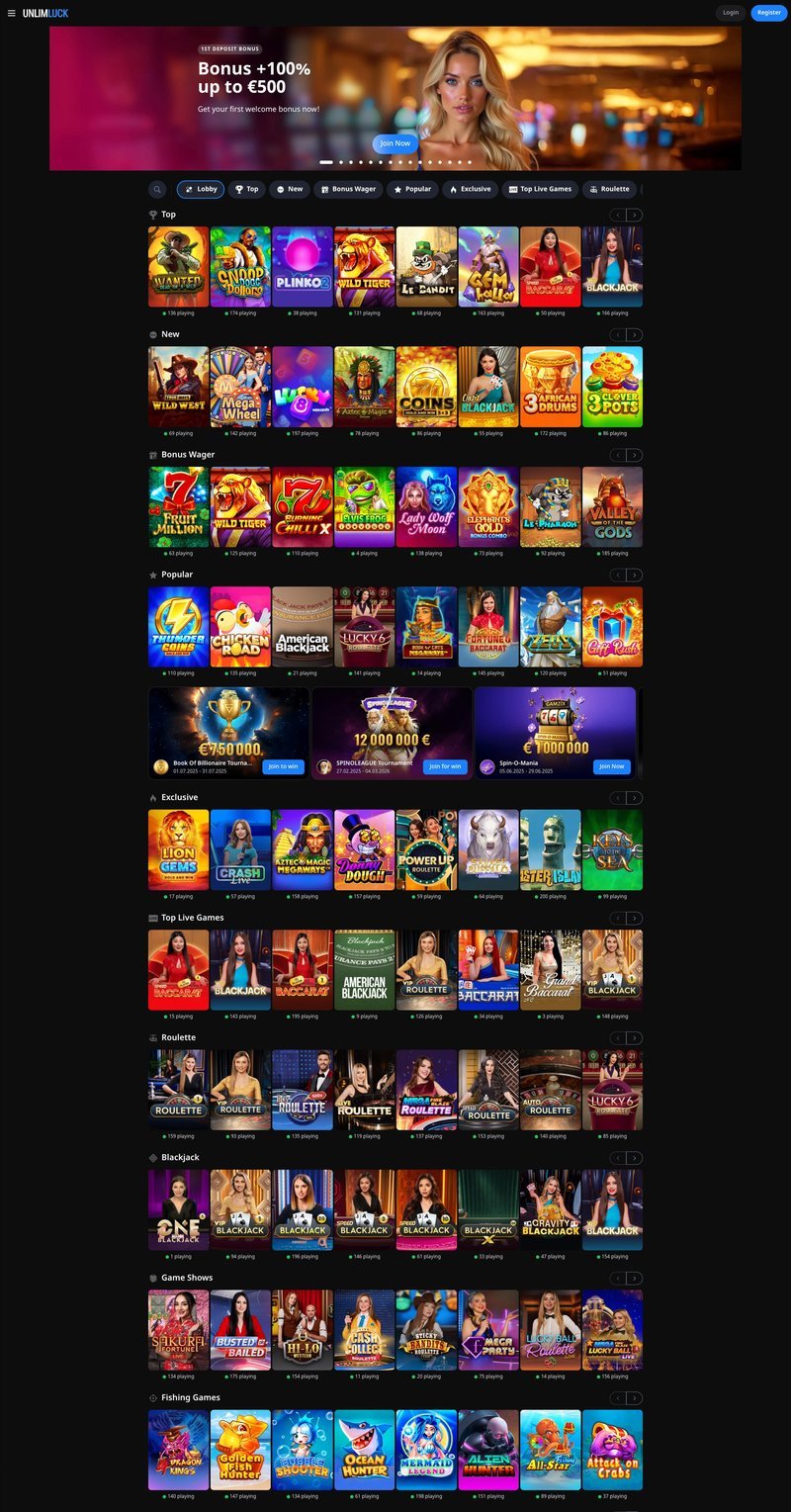
When you’re scrolling through a game that rewards you with in‑app bonuses, you might think about expanding your entertainment choices. If you’re curious about how mobile gaming can complement other online experiences, consider exploring the unlimluck promo code for a fresh take on digital leisure.
What to Look for Going Forward
As the industry matures, quality will become a differentiator. Games that balance engaging gameplay with minimal advertising are likely to retain players longer. Expect to see more cross‑platform titles that allow progress to carry from phone to console.
For content creators, the mobile gaming boom offers new monetization avenues. Live streaming a mobile session on Twitch now attracts a dedicated audience of 5,000 regular viewers, compared to 2,000 for traditional console streams.
Bottom Line
Mobile gaming is reshaping the UK’s entertainment landscape by making play more accessible, monetizable, and socially connected. While it brings significant revenue and cross‑industry opportunities, developers must navigate the fine line between monetization and user experience. The next wave will likely focus on seamless integration across devices and platforms, ensuring that the handheld experience remains a central pillar of digital leisure.
Frequently Asked Questions
What is the latest trend in UK mobile gaming?
Mobile gaming has seen a 6‑percentage‑point rise, with 24% of UK players spending more than 30 minutes daily on handheld devices.
How does this impact the entertainment industry?
It signals a shift toward mobile as a mainstream platform, encouraging developers to prioritize mobile optimization and new monetization strategies.
Why did the UK Game Developers Association conduct this survey?
To track player engagement trends and help stakeholders understand shifting consumption habits.
What can developers do to capitalize on this growth?
Focus on mobile‑friendly design, in‑app purchases, and cross‑platform integration to capture the expanding mobile audience.